

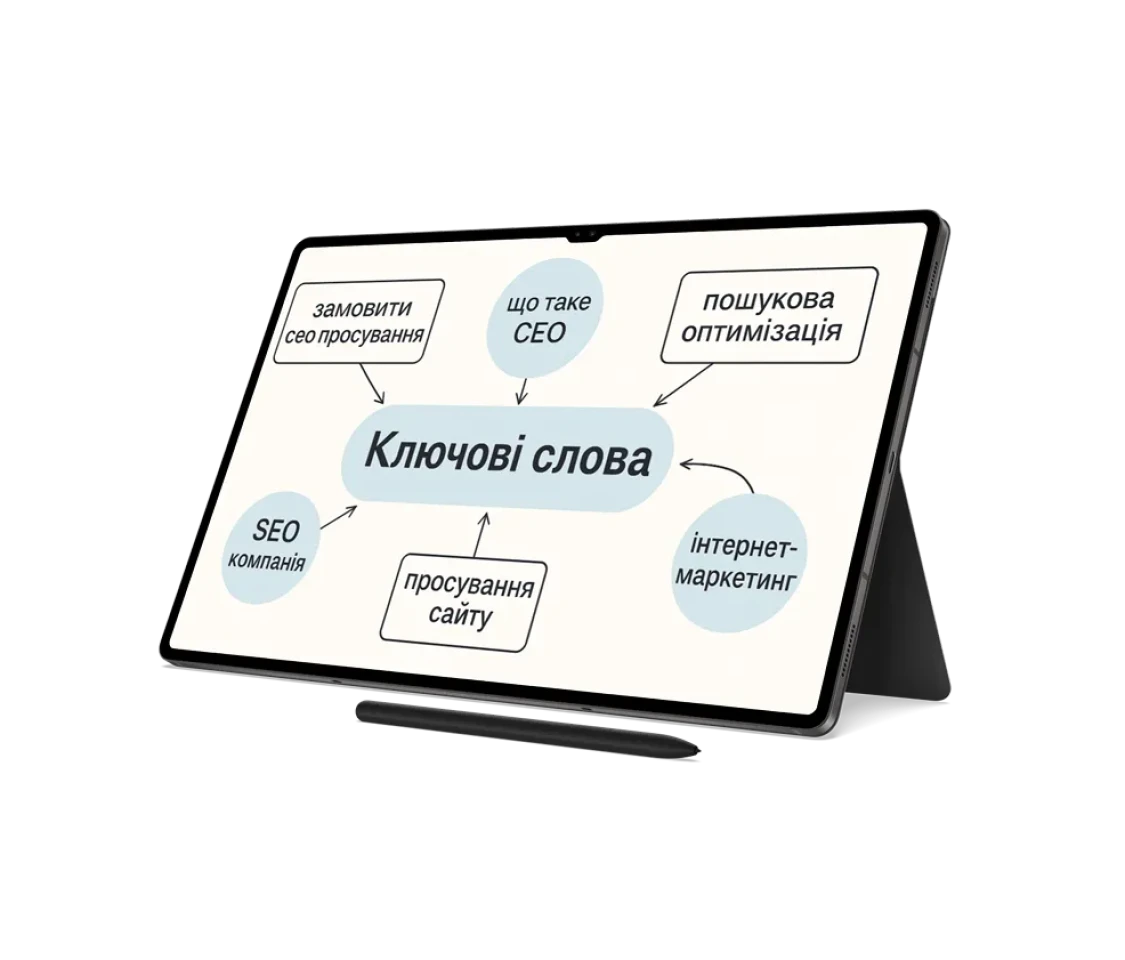
What Are Keywords
From a search marketing perspective, keywords are individual words or phrases that help web pages attract the attention of search engines. They improve a website’s visibility in search results and help bring traffic to the site. For this reason, keyword research is usually the first step in any SEO campaign. In general, keywords can be divided into two categories:
SEO keywords – these are the phrases you target during search engine optimization (SEO). Their role is to help a page appear in the organic (unpaid) search results when users search for related information.
PPC keywords – these are search terms targeted through paid advertising campaigns, typically in pay-per-click (PPC) search ads. In this case, the goal is to appear in the sponsored (paid) results shown in search engines.
The Impact of Keywords on SEO
The most important thing to understand is that SEO is almost impossible without keywords. Keywords are the foundation of successful SEO and digital marketing. They help businesses understand what their audience is searching for and make it easier to connect with potential customers.
When chosen correctly, keywords allow you to create relevant content that answers user questions, attracts potential clients, and helps guide them toward making a purchase decision.
An effective SEO strategy usually begins with keyword research, analysis, and clustering. Based on this process, marketers create a semantic core—a structured set of search queries that represent the interests and needs of the target audience. Content is then built around these queries to attract relevant traffic to the website.
As mentioned earlier, keywords play a crucial role in improving website rankings and generating organic traffic. The right keyword strategy determines how users will find your site through search engines. For example, if you sell pet products, sports equipment, or similar items, it is important to use keywords that accurately describe your business and offerings. Using overly broad phrases can attract visitors who are not part of your target audience.
In summary, keywords have a significant impact on SEO performance. Using them effectively is a key element of a successful SEO strategy aimed at increasing organic traffic and attracting potential customers.
How Keywords Differ
Keywords vary based on several characteristics that influence their effectiveness in SEO and digital marketing. One of the most common ways to classify them is by length.
By Length
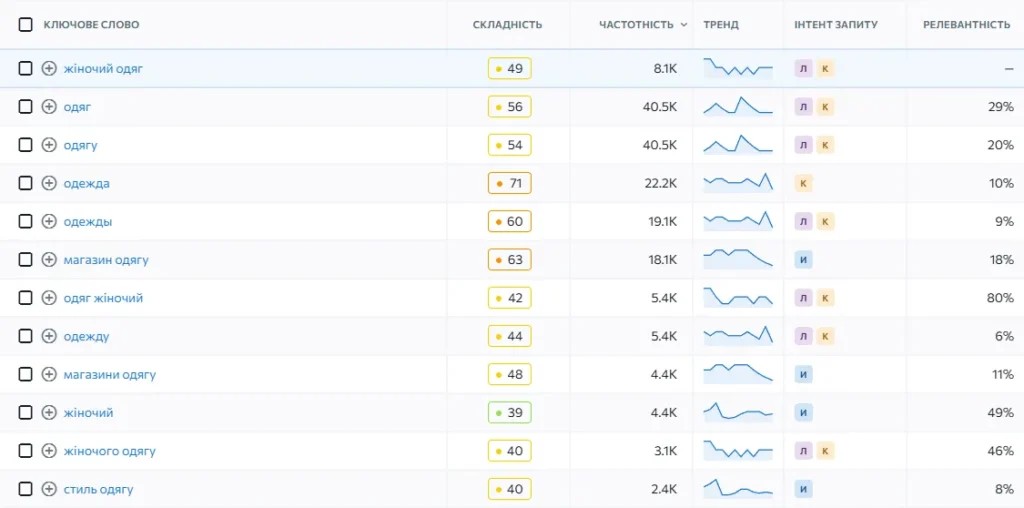
Short-tail keywords consist of one or two words and are usually broad, high-volume search queries. Examples include “clothing” or “shoes.”
Advantages of short-tail keywords:
- large search traffic volume
- wide audience reach
Disadvantages of short-tail keywords:
- high competition
- lower conversion rates
- a higher chance of attracting non-targeted traffic
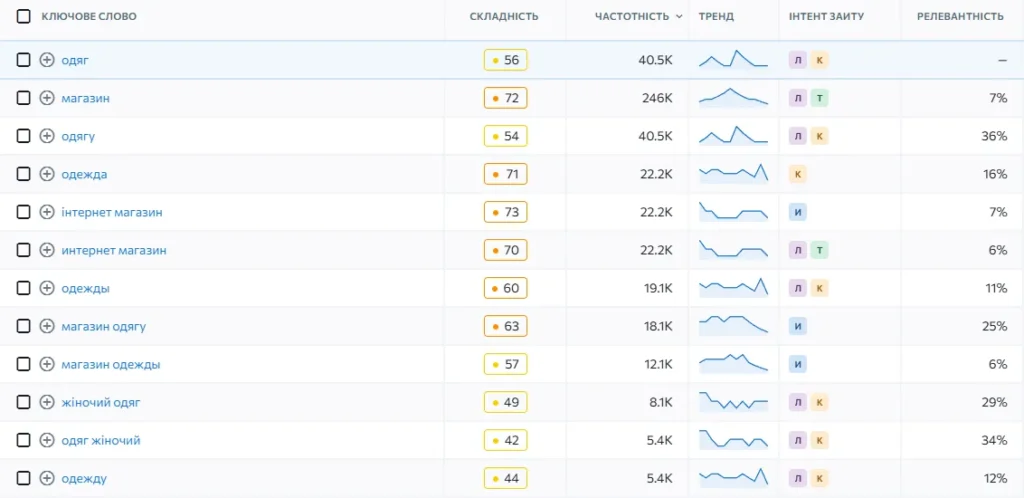
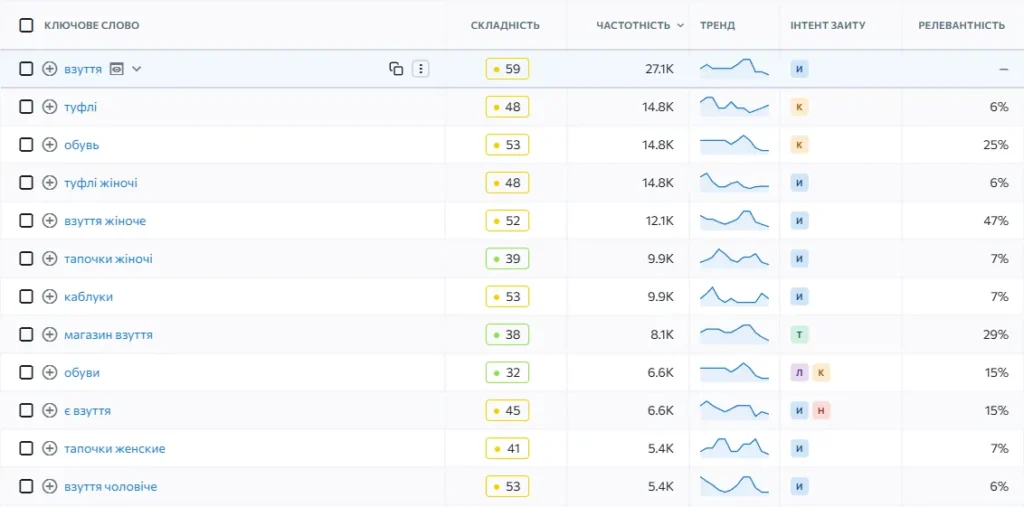
Medium-tail keywords consist of 2–3 words. They are more specific than short keywords and usually have a medium search volume. Examples include “women’s clothing” or “men’s shoes.”
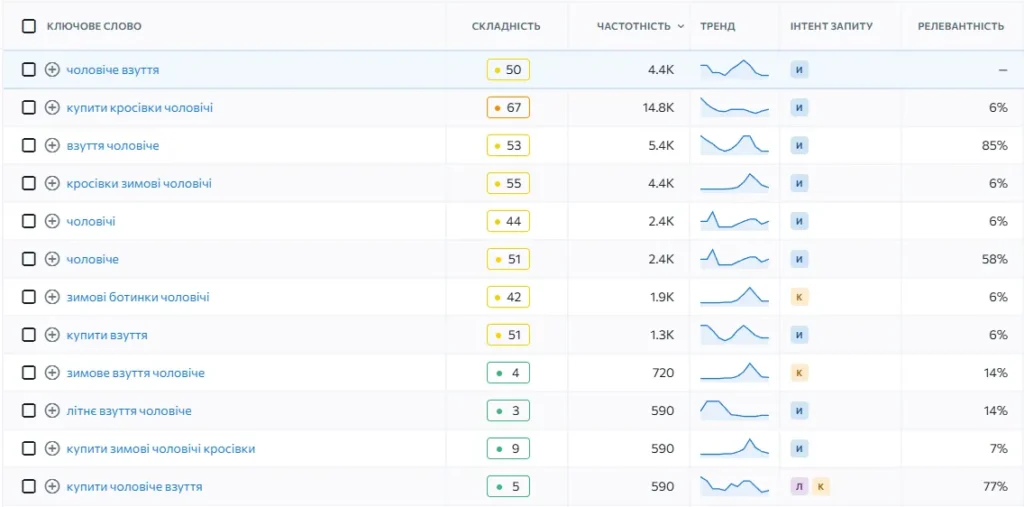
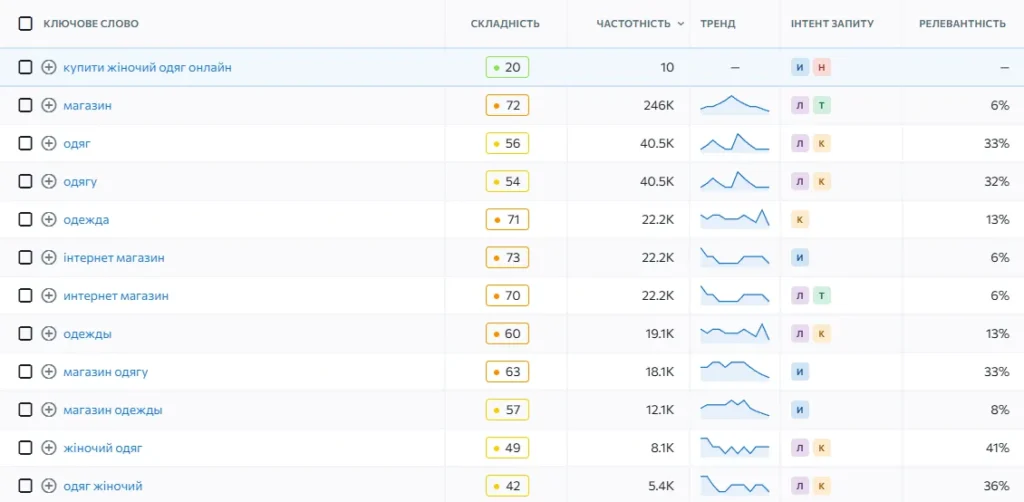
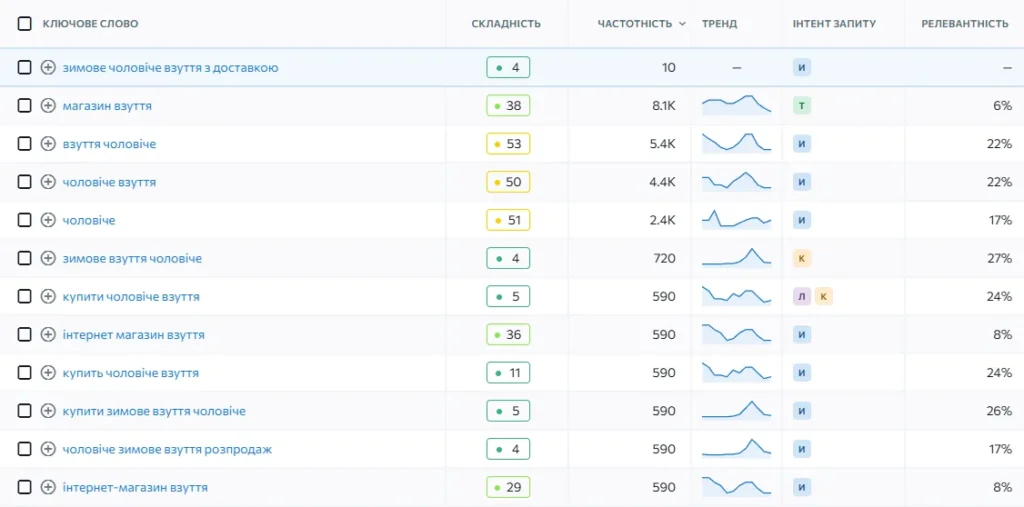
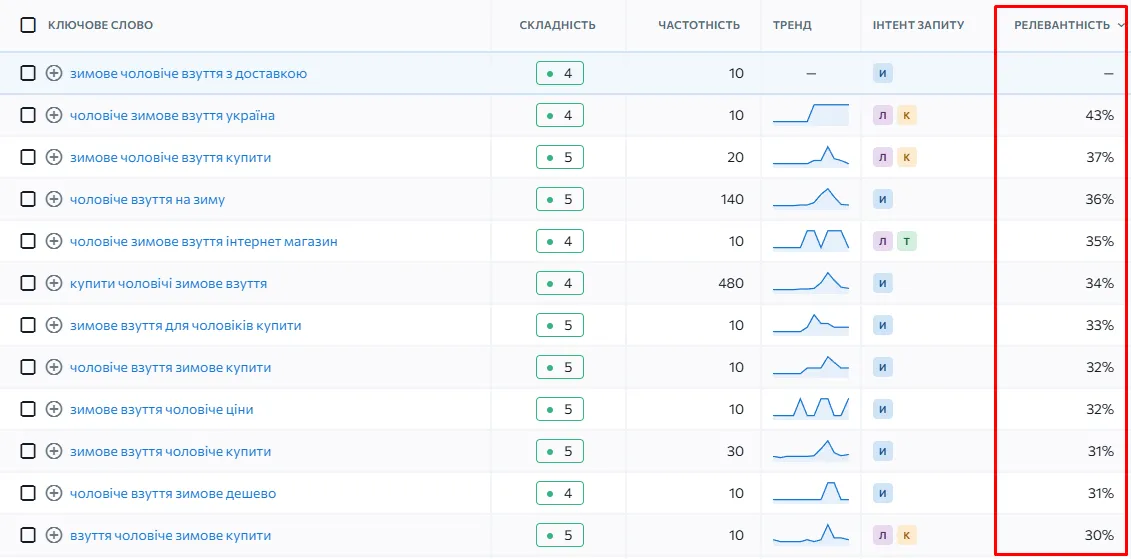
Long-tail keywords consist of three or more words. They are very specific, highly targeted, and usually have a lower search volume. Examples include “buy women’s clothing online” or “winter men’s shoes with delivery.”
Long-tail keywords are longer, more precise search phrases made up of three or more words. They typically have lower search volume but also lower competition.
Advantages of long-tail keywords:
- low competition
- high conversion rate
- highly targeted traffic
Disadvantages of long-tail keywords:
- lower search volume
- require more time and effort to optimize
So which keyword length is better to use? The answer depends on your goals. If your objective is to attract a large volume of traffic, short-tail keywords may be more suitable. However, if you want more targeted traffic and higher conversions, long-tail keywords are often the better choice.
By Search Volume
High-volume keywords
These are searched very frequently. They usually have strong competition but can drive significant traffic.
Medium-volume keywords
These have moderate search frequency, lower competition, and can attract more targeted visitors.
Low-volume keywords
These are searched less often, usually have low competition, and can bring highly specific niche traffic.
By Competition
High-competition keywords
These are targeted by many websites and require substantial SEO effort to achieve strong rankings.
Low-competition keywords
These are less commonly targeted, making it easier to achieve higher positions with less effort.
By Relevance
Relevant keywords
These match the content of a webpage and the interests of the target audience.
Irrelevant keywords
These do not match the page content and may create a poor user experience.
By User Intent (Search Intent)
For content to rank well in Google, it must closely match the user’s search query and intent. This means creating content that directly answers what users are looking for.
Informational keywords
Often appear as questions or begin with words such as “how,” “what,” or “where,” since users are looking for information.
Examples: “how to choose a bicycle,” “current time in Poland.”
Commercial keywords
Users intend to buy a product or service.
Examples: “wedding dresses,” “custom cakes.”
Navigational keywords
Users are searching for a specific website or brand.
Example: “Rozetka website.”
Transactional keywords
Users are ready to complete an action such as making a purchase or booking a service.
Examples: “buy Audi Q5,” “Italian restaurants near me.”
Why is it important to distinguish keywords by intent? If a keyword is placed on a page that does not match the user’s intent, it can negatively affect the website’s performance in search results.
By understanding these characteristics, you can choose the most effective keywords for your website or marketing campaign and achieve better SEO results.
By Specificity
Local keywords
These are phrases people use to search for products or services in a specific location. For example, if someone is looking for a pizza place in Kyiv, they might use keywords such as “pizza Kyiv,” “pizza delivery Kyiv,” or “best pizza in Kyiv.”
Local keywords are important for businesses that serve a specific geographic area because they help attract nearby customers. To appear in local search results, businesses should optimize their websites and online profiles for these location-based queries.
Branded keywords
These are search terms that include the name of a specific brand. For example, someone looking for clothing from the brand Zara might search for “Zara,” “Zara clothing,” or “Zara online store.”
Branded keywords help attract loyal customers who already know the brand and are specifically looking for its products.
Non-branded keywords
These are general search terms that do not mention a specific brand. For example, someone searching for a new phone might use phrases like “buy a smartphone,” “smartphone with a good camera,” or “affordable phone.”
Non-branded keywords are especially important for businesses that want to attract new customers who are not yet familiar with their brand.
How to Collect Keywords
Now that it is clear why keywords are important for SEO, the next question is how to identify and collect them. Keyword collection can be done manually or with specialized tools.
Keyword research typically begins with analyzing your website’s products or services as well as the keywords used by competitors. It is also important to analyze keyword statistics such as search volume and seasonality.
The main goal of this process is to create website pages that match the search queries of your target audience. To do this, marketers build a semantic core, remove unnecessary keywords, and compile a final list of the most relevant queries for each page.
The process usually includes the following steps:
- collecting keywords that accurately describe the website’s content and topic
- clustering the collected keywords into logical groups and categories
- optimizing website pages for the selected keyword groups
Ways to Build a Keyword List Online
There are several ways to collect keywords online:
- gather keyword data from search engine tools
- analyze semantic keywords used by competitors
- find keyword overlaps among multiple competitors
- analyze keywords used in competitors’ paid advertising campaigns
- collect related keyword variations
- use search suggestions and autocomplete results
Using these methods helps create a strong semantic structure and improves the effectiveness of your SEO strategy.
5 Best Tools for Keyword Research
Semantic tools can significantly speed up the process of collecting and analyzing keywords:
SEMrush Keyword Magic Tool – one of the largest AI-powered databases. It contains more than 26 billion keywords.
Ahrefs Keyword Explorer – a tool for detailed keyword research that helps find relevant keywords for your website, evaluate their difficulty and search volume, and generate ideas for content creation.
MOZ Keyword Explorer – a large-scale keyword research tool with more than 1.25 billion suggestions. It helps identify target keywords with strong potential, analyze SERP results, and find ways to improve rankings.
SE Ranking – a powerful yet versatile and easy-to-use SEO tool that quickly transforms large volumes of search engine optimization data into practical insights.
Google Keyword Planner – a free keyword research tool from Google. It is closely integrated with Google Ads, allowing you to easily create and launch advertising campaigns based on discovered keywords. Google Keyword Planner uses data directly from Google Search, ensuring accuracy and up-to-date keyword insights. The tool offers a wide range of features including keyword discovery, competitor analysis, traffic and budget forecasting, and organizing keywords into groups.
How to Effectively Use Collected Keywords
Effective keyword usage depends on where exactly they are placed — both within a web page and outside of it — to improve search engine optimization (SEO) and attract the target audience. The main placement areas include:
On-Page Optimization:
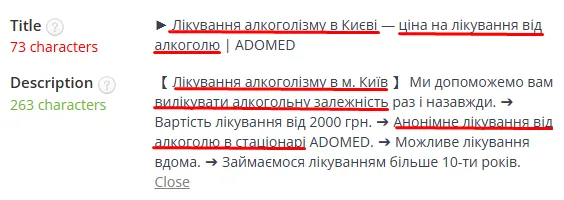
Page title (Title Tag): one of the most important places for keywords. The title should be short, informative, and include the main keyword of the page.
Meta description (Meta Description): a short description of the page that appears in search results. It is important to use keywords to attract users and encourage them to click on the page.
Headings and subheadings (H1–H6): keywords should be included in headings of different levels to structure the content and highlight key topics.
Main page content: keywords should be naturally integrated into the text so it reads clearly and naturally for users. It is important to avoid keyword stuffing, as this can lead to negative SEO consequences.
Image attributes (Alt Text): describing images with keywords helps search engines understand what is shown in the image and index it correctly.
Page URL: keywords can be used in the page URL to improve its relevance in search engine results.

Off-page Optimization:
Backlinks: links from other authoritative websites to your site are an important ranking factor in search engines. Keywords used in the anchor text of these links also play a role.
Social media: sharing content on social networks using relevant keywords can help increase its visibility and attract additional traffic.
Google Ads campaigns: keywords are used to target advertising to a specific audience and display ads in response to particular search queries.
It is important to understand that keyword placement should be natural and relevant to the page content. Artificial keyword stuffing can lead to search engine penalties and negatively affect your website’s rankings.
In summary, here is how to use keywords effectively:
Focus on 3–8 keywords in each article of about 500–1000 words (including primary, secondary, and supporting keywords).
Add keywords to meta descriptions, title tags, and page URLs.
Use keywords in headings, body text, and image Alt tags.
Place keywords in the first and last paragraphs, and distribute them naturally throughout the text.
If a keyword does not fit naturally into the text, do not force it. Keywords should always be relevant and appropriate to your content. If a phrase sounds unnatural or does not match the context, use a more suitable variation or remove it.
Conclusion
As we can see, keywords help attract significant website traffic, improve search rankings, and increase conversion rates when used correctly. Therefore, keyword optimization remains a key component of an effective SEO strategy.